

What Can and Can’t Be Removed During a Garage Clearance?
Clearing out a garage often feels more complicated than clearing a room inside the house. Over the years, garages tend to become storage spaces for bulky items, broken appliances, old tools, and things that “might be useful one day”. A common question we hear is: what can actually be removed during a garage clearance?
This guide explains what is usually taken away, what may need special handling, and what cannot typically be removed, so you know exactly what to expect before booking a professional garage clearance.
Items Commonly Removed During a Garage Clearance
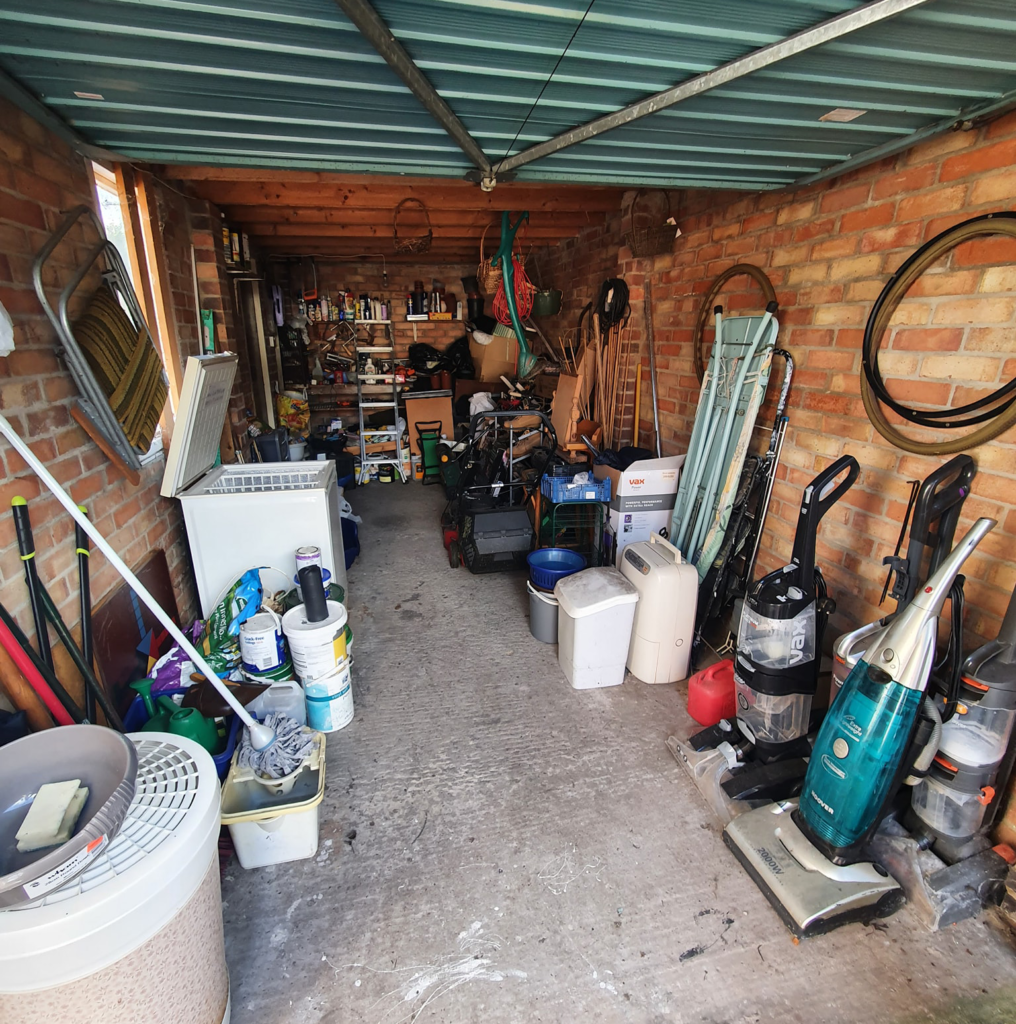
Most household garages contain items that can be removed without any issues. A professional garage clearance is designed to deal with bulky, awkward, and heavy objects, so you don’t need to worry about lifting or dismantling items yourself.
Commonly removed items include:
- Old furniture such as shelving units, cupboards, desks, and chairs
- Bicycles, scooters, and children’s outdoor toys
- Boxes of general clutter, packaging, and stored household items
- Broken or unwanted appliances, including fridges and freezers
- Garden tools, lawnmowers, and unused equipment
- Scrap materials such as wood, metal, and plastic
- Old carpets, doors, and leftover DIY materials
If your garage is full from floor to ceiling, that’s not a problem. Clearance teams are used to working in tight spaces and handling items that haven’t been moved in years.
Items That May Need Special Handling
Some items found in garages can still be removed, but they require extra care or separate disposal methods. This is usually due to environmental regulations or safety considerations rather than refusal to remove them.
Examples include:
- Paints, oils, and solvents
- Car batteries and engine fluids
- Electrical items such as power tools and old electronics
- Gas bottles and fuel containers
- Tyres
In most cases, these items can still be collected as part of a garage clearance, but they may be sorted separately to follow proper disposal rules. Letting the clearance company know in advance helps everything run smoothly on the day.
Items That Are Not Usually Removed
There are a small number of items that professional clearance services generally cannot take. These are uncommon in most garages, but it’s important to be aware of them.
Items that are not usually removed include asbestos-containing materials, clinical or medical waste, and explosives or ammunition. If you suspect something like this is present, it’s best to mention it beforehand so the correct advice can be given.
Do You Need to Sort or Prepare Items in Advance?
In most cases, no preparation is required at all. One of the main benefits of using a professional garage clearance service is that everything can be handled for you.
That said, it can be helpful to:
- Set aside personal documents or sentimental items
- Clearly mark anything you want to keep
- Point out any potentially dangerous items
There’s no need to bag items, dismantle furniture, or move things outside unless you want to.
What Happens to Items After a Garage Clearance?
Many people worry about where their items end up after removal. A responsible garage clearance service will aim to reduce landfill use wherever possible. Reusable items may be donated, recyclable materials are separated, and waste is disposed of in line with local regulations.
This approach not only clears your space but also helps manage waste responsibly.
Ready to Clear Your Garage?
If your garage has become overcrowded, unsafe, or simply unusable, professional help can make the process far easier than tackling it alone. A garage clearance removes the physical strain, saves time, and gives you back valuable space.
Get in touch today to discuss your garage clearance and take the first step towards a clutter-free, usable space.
- Call us today: 0121 798 0676
- Email: info@theclearout.co
- Or simply fill in our quick contact form below and we’ll get back to you promptly.